1964-1967
Buddies Nurseries, Birdsboro, Pennsylvania
Douglas Fir (live)
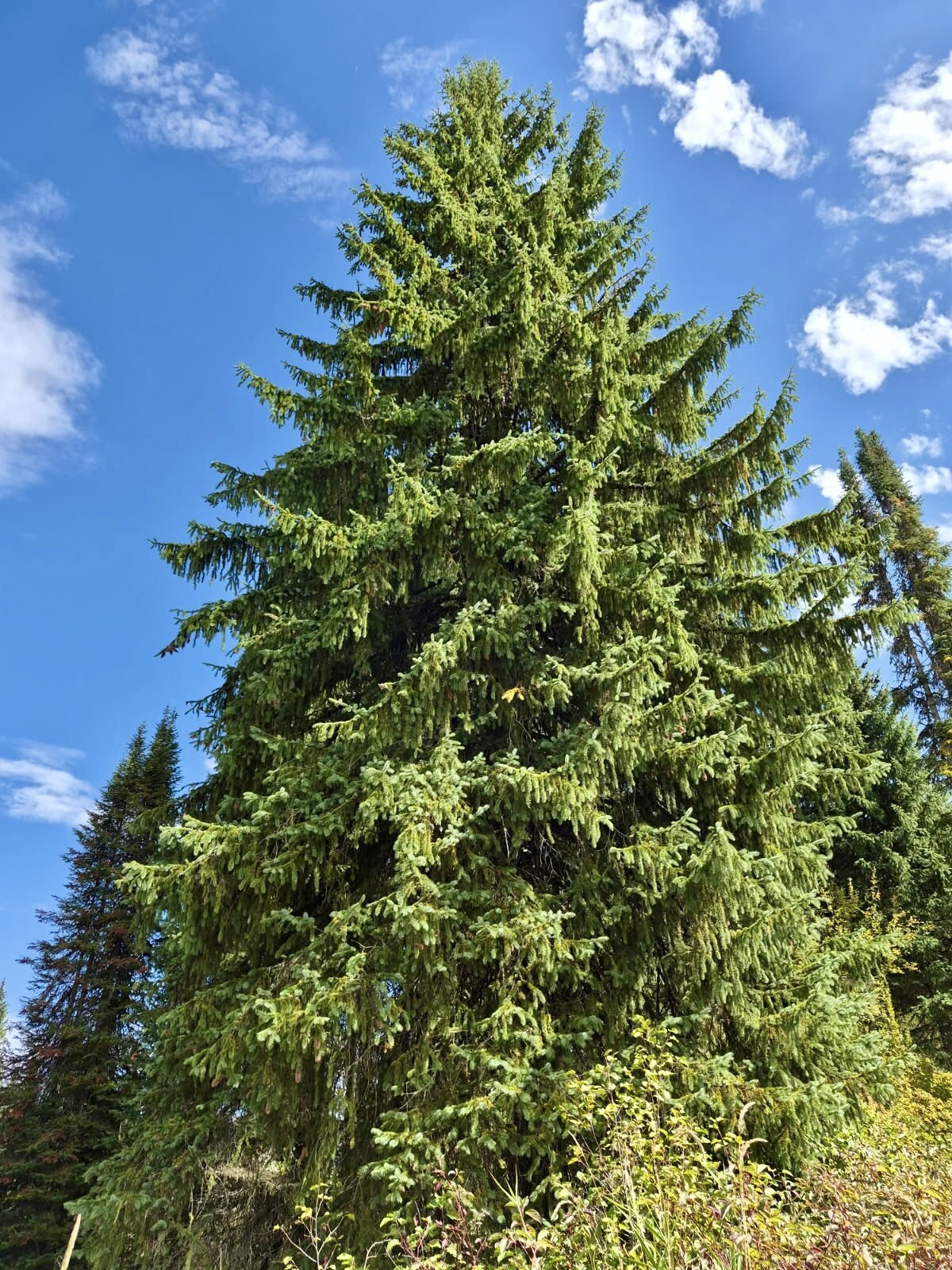
The Douglas fir from Buddies Nurseries, Birdsboro, Pennsylvania, grows approximately 200-300 ft tall and features flat needles arranged spirally along branches. It is specially cultivated in southeastern Pennsylvania's rich, well-drained soils, supporting local reforestation and landscaping projects.
1968
Finksburg, Maryland
Eastern White Pine (parts)
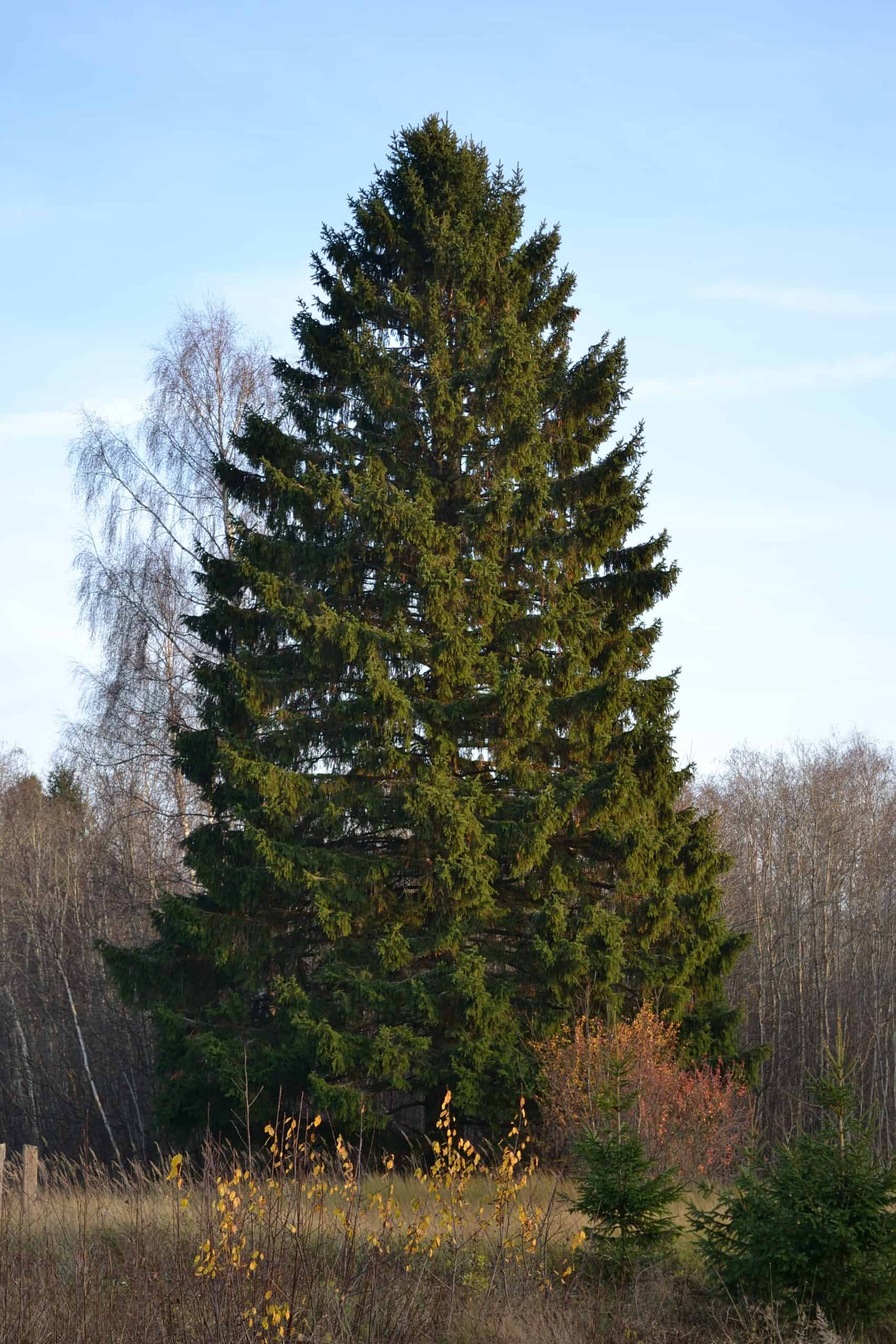
The eastern white pine from Finksburg, Maryland, grows approximately 60-100 ft tall, and features soft, flexible needles in bundles of five. It originates in the rolling Piedmont region, where it helps stabilize soil and support native bird habitats.
1969
Westminster, Maryland
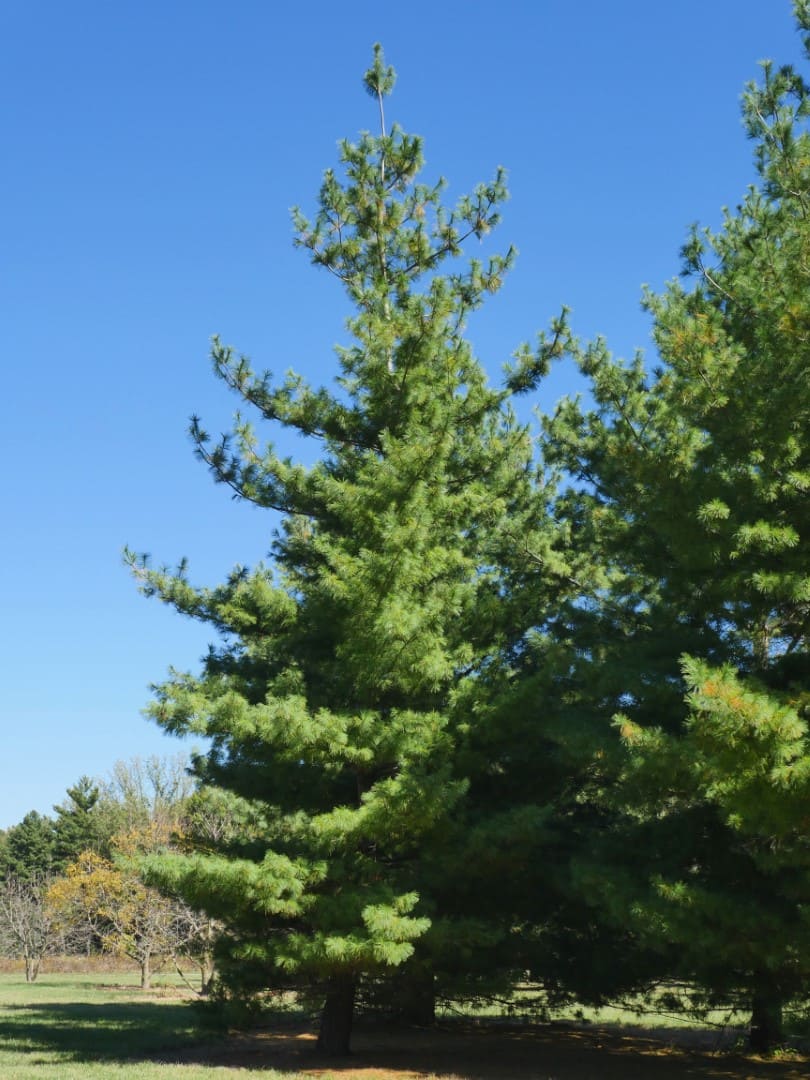
Eastern White Pine (parts)
The eastern white pine from Westminster, Maryland, grows approximately 50-80 ft tall, and features needle clusters of five. It is often used in regional conservation plantings for windbreaks and erosion control.
1970 | 2023
Monongahela National Forest, West Virginia
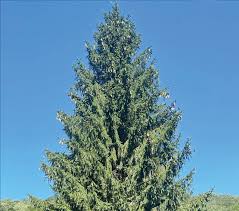
Norway Spruce
The Norway Spruce, native to Europe and present on the Monongahela National Forest, West Virginia, can grow approximately 80-100 feet tall and features drooping branches with short, dark green needles. These features make it well-suited for critical restoration efforts in high-elevation Appalachian ecosystems.
1971
White Mountain National Forest, New Hampshire
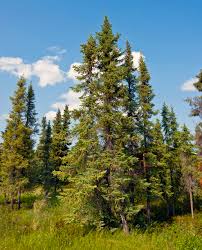
Black Spruce
The black spruce from White Mountain National Forest, New Hampshire, can grow approximately 80-100 feet tall and features short needles and slender branches that thrive in cold boggy areas, helping preserve unique alpine wetlands found only in the Northeast.
1972
Cherokee National Forest, Tennessee
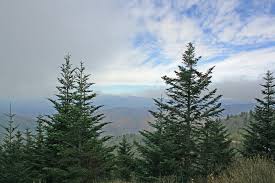
Balsam Fir
The balsam fir found in eastern North America and from Cherokee National Forest, Tennessee, typically grows 40-70 feet tall and features flat, fragrant-rich needles with upward-angled branches. This tree supports native wildlife and contributes to cooler microclimates in this northernmost reach of the species' range.
1973
Allegheny National Forest, Pennsylvania
White Spruce
The white spruce from Allegheny National Forest, Pennsylvania, can grow approximately 80-100 feet tall and features stiff, bluish-green needles. It plays a key role in maintaining biodiversity in the rugged plateau landscape of northwestern Pennsylvania.
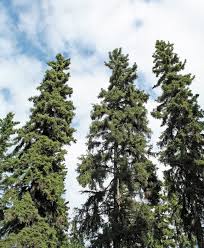
1974 | 1998
Pisgah National Forest, North Carolina
Fraser Fir
The Fraser Fir from Pisgah National Forest, North Carolina, can grow approximately 30-50 feet tall and features soft, glaucous needles. The tree is iconic in the Southern Appalachians and supports rare species in the misty peaks of the Blue Ridge Mountains. The Fraser fir is currently classified as endangered.
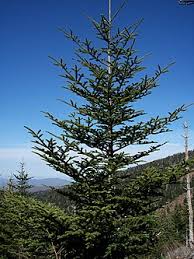
1976
Ottawa National Forest, Michigan
Balsam Fir
The balsam fir from Ottawa National Forest, Michigan, can grow approximately 40-70 feet tall and features aromatic, flat needles and fence branching that contributes to the ecological balance of the Upper Peninsula's boreal transition zone.
1976
Monongahela National Forest, West Virginia
Red Spruce
The red spruce from Monongahela National Forest, West Virginia, can grow approximately 60-90 feet tall and features slender, flexible branches with short needles, which is essential to restoring historic spruce ecosystems once widespread across the Allegheny Highlands.
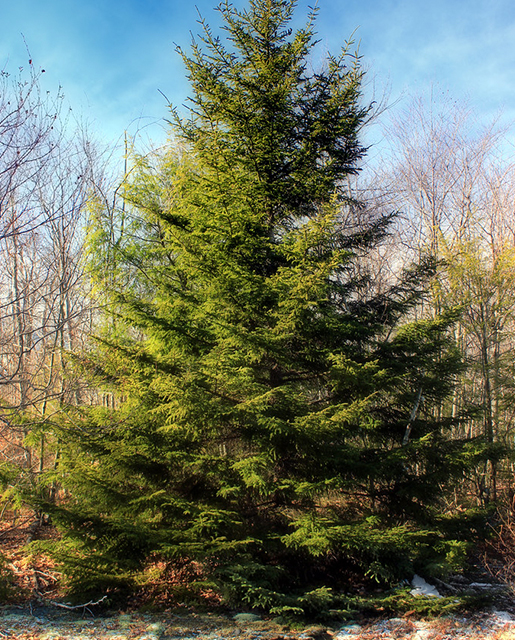
1977
Nemadji State Forest, Minnesota
White Spruce
The white spruce from Nemadji State Forest, Minnesota, can grow approximately 60-80 feet tall and features short, sharp needles on resilient branches that help stabilize riverbanks and provide nesting cover in the state's northern lake region.
1978
Savage River State Forest, Maryland
Norway Spruce
The Norway Spruce from Savage River State Forest, Maryland, can grow approximately 80-100 feet tall and features short dark green needles. The tree is part of ongoing efforts to diversify managed forest landscapes in the state's rugged western mountains.
1979 | 1983 | 1999
Chequamegon-Nicolet National Forest
White Spruce
The White Spruce from Nicolet National Forest, Wisconsin, can grow approximately 60-80 feet tall and features stiff branches with blue-green needles that thrive in glacial soils. The tree thrives in glacial soils and supports nesting birds and pollinators in the Northwoods region.
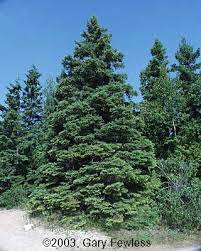
1980
Green Mountain National Forest, Vermont
White Spruce
The White Spruce from Green Mountain National Forest, Vermont, can grow approximately 60-80 feet tall and features dense blue-green needles vital for moose habitat and water quality in forested mountains.
1981
Hiawatha National Forest, Michigan
White Spruce
The White Spruce from Hiawatha National Forest, Michigan, can grow approximately 60-80 feet tall and features robust foliage that acts as a wind buffer along Lake Superior's southern shore, aiding reforestation on sandy soils.
1982
Riley Bostwick Wildlife Management Area, Vermont
Balsam Fir
The Balsam Fir from Riley Bostwick Wildlife Management Area, Vermont, can grow approximately 40-70 feet tall and features aromatic, layered needles that provide shelter for deer and snowshoe hares in Vermont's managed conservation lands.
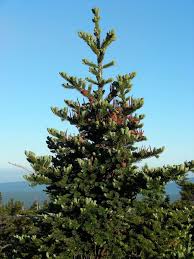
1984
Superior National Forest, Minnesota
White Spruce
The White Spruce from Superior National Forest, Minnesota, can grow approximately 60-80 feet tall and features cold-hardy needles, and is vital to the resilience of the boreal edge near the Canadian border.
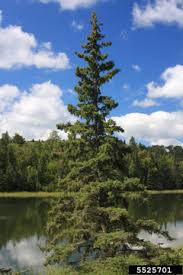
1985 | 2001
Ottawa National Forest, Michigan
White Spruce
The White Spruce from Ottawa National Forest, Michigan, can grow approximately 60-80 feet tall and feature rigid branches and share needles. It grows in glacial till soils and supports species diversity in Michigan's Upper Peninsula.
1986
Klamath National Forest, California
Shasta Red Fir
The Shasta Red Fir from Klamath National Forest, California, can grow approximately 130-200 feet tall and features thick, upward-swept branches with stiff needles. It thrives in volcanic soils, supports fire-adapted ecosystems in the southern Cascades, and is also prized for the quality of timber.
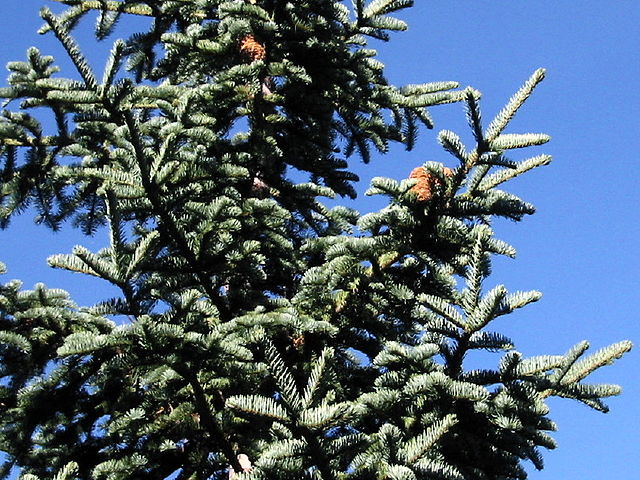
1987
Wayne-Hoosier National Forest, Ohio
Norway Fir
The Norway Spruce from Wayne-Hoosier National Forest, Ohio, can grow approximately 80-100 feet tall and features dropping branches with dark green needles. It adds canopy cover and aesthetic value to restoration efforts in the rolling hills of southern Ohio.
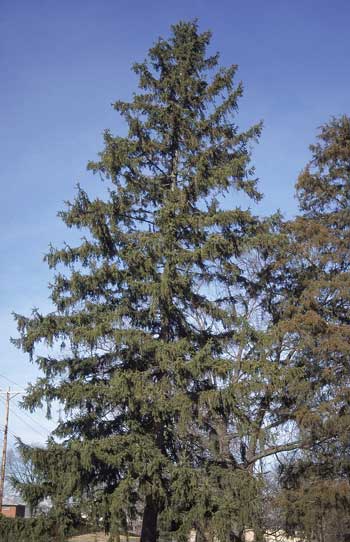
1988
Manistee National Forest, Michigan
Balsam Fir
The Balsam Fir from Manistee National Forest, Michigan, can grow approximately 40-70 feet tall and features fragrant layered needles, offering critical winter habitat for wildlife in the forest's mix of dunes, rivers, and wetlands.
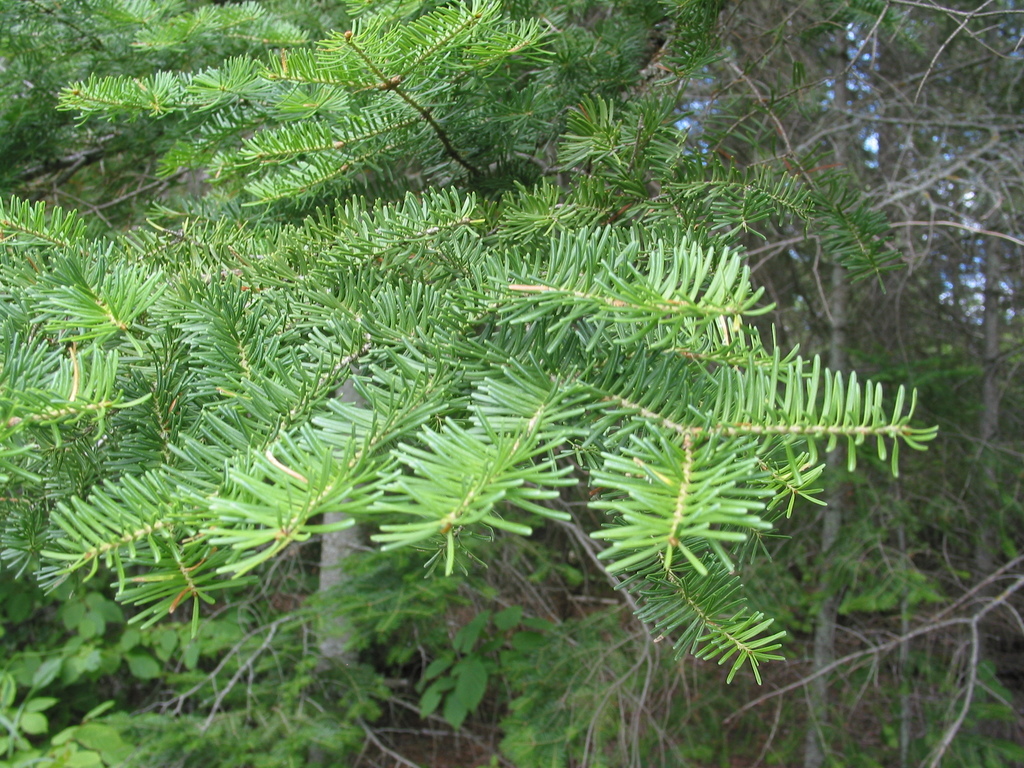
1989 | 2019
Kootenai National Forest, Montana
Engelmann Spruce
The Engelmann Spruce from Kootenai National Forest, Montana, can grow approximately 60-90 feet tall and feature delicate, dropping needles. The tree is part of cold, high-elevation forests that support grizzly bear habitat and old-growth preservation.
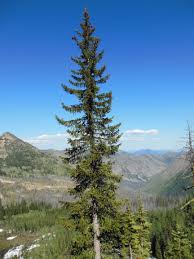
1990
Routt National Forest, Colorado
Engelmann Spruce
The Engelmann Spruce from Routt National Forest, Colorado, can grow approximately 60-90 feet tall, featuring dense needles and layered branches crucial to subalpine ecosystems along the Continental Divide.
1991 | 2019
Carson National Forest, New Mexico
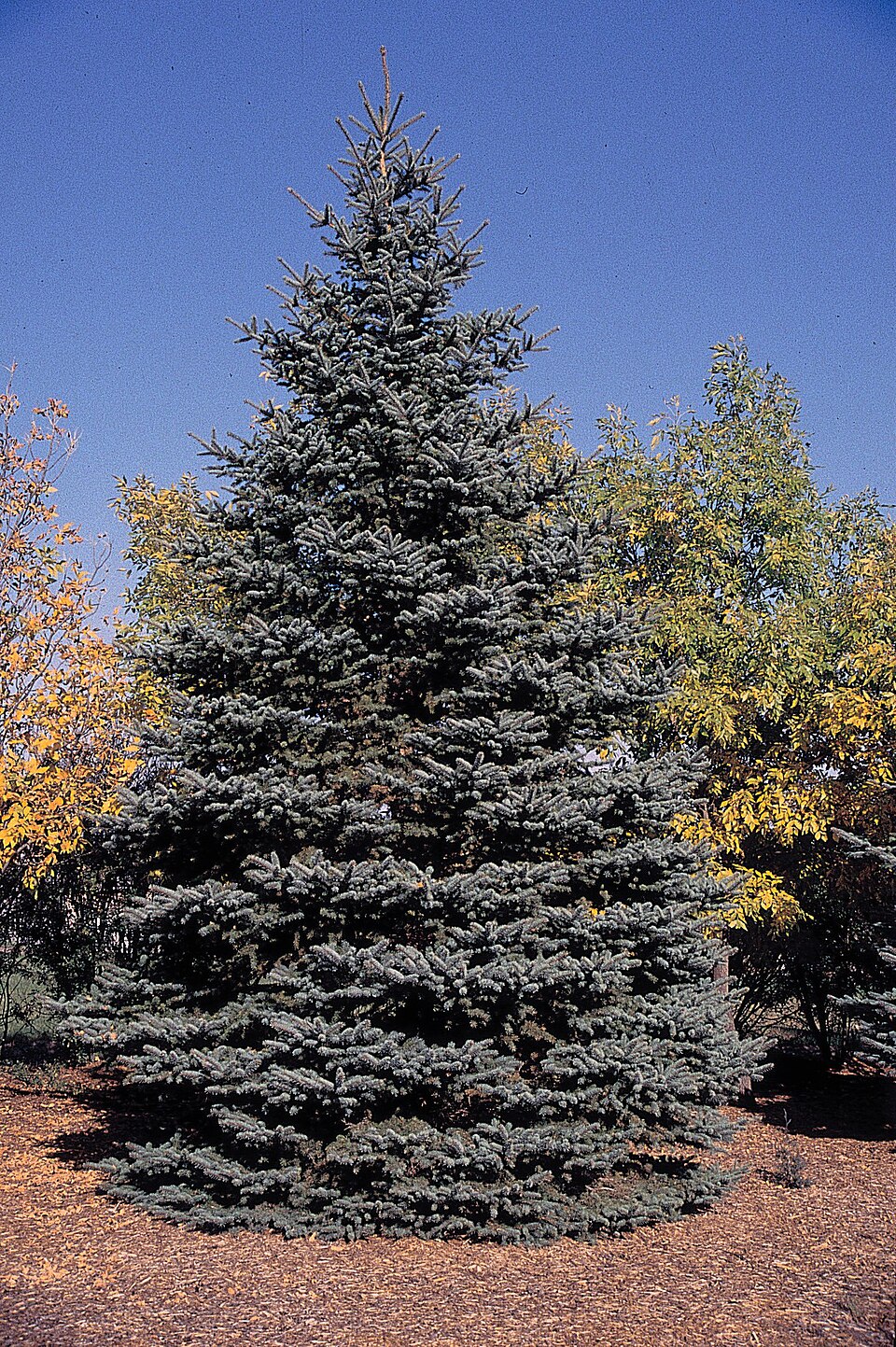
Blue Spruce (live)
The Blue Spruce (live) from Carson National Forest, New Mexico, can grow approximately 30-60 feet tall and features stiff, silvery-blue needles. It is a symbol of the Southwest's montane forests, where it offers beauty and shade in high-altitude canyons.
1992 | 2014
Chippewa National Forest, Minnesota
White Spruce
The White Spruce from Chippewa National Forest, Minnesota, can grow approximately 60-80 feet tall and features sharp needles. It supports timber sustainability and is native to the wetlands and lakes of the Leech Lake region.
1993
San Bernardino National Forest, California
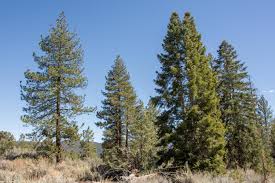
White Fir
The White Fir from San Bernardino National Forest, California, can grow approximately 40-80 feet tall. It grows in the forest's mid-elevation zones and contributes to fire-resilient landscapes in Southern California.
1994 | 2007
Green Mountain National Forest, Vermont
Balsam Fir
The Balsam Fir from Green Mountain National Forest, Vermont, can grow approximately 40-70 feet tall with an aromatic character and provide wildlife shelter to Vermont's cool, moist forest corridors.
1995
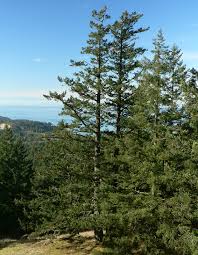
Plumas National Forest, California
Douglas Fir
The Douglas Fir from Plumas National Forest, California, can grow approximately 200-300 feet tall and features long needles and rugged branches. It supports biodiversity in the northern Sierra Nevada's mixed-conifer forests.
1996
Manti-LaSal National Forest, Utah
Engelmann Spruce
The Engelmann Spruce from Manti-LaSal National Forest, Utah, can grow approximately 60-90 feet tall and features crisp needles and delicate branching. It stabilizes high mountain soils and feeds headwaters vital to Utah's watershed.
1997
Black Hills National Forest, South Dakota
Black Hills Spruce
The Black Hills Spruce from Black Hills National Forest, South Dakota, can grow approximately 70-90 feet tall and features compact, deep-green needles. It is a native conifer that anchors ecosystems and holds cultural significance in Lakota lands.
2000
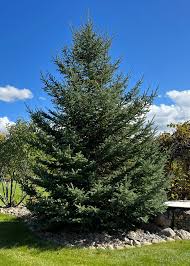
Pike National Forest, Colorado
Colorado Blue Spruce
The Engelmann Spruce from Routt National Forest, Colorado, can grow approximately 60-90 feet tall, featuring dense needles and layered branches crucial to subalpine ecosystems along the Continental Divide.
2002
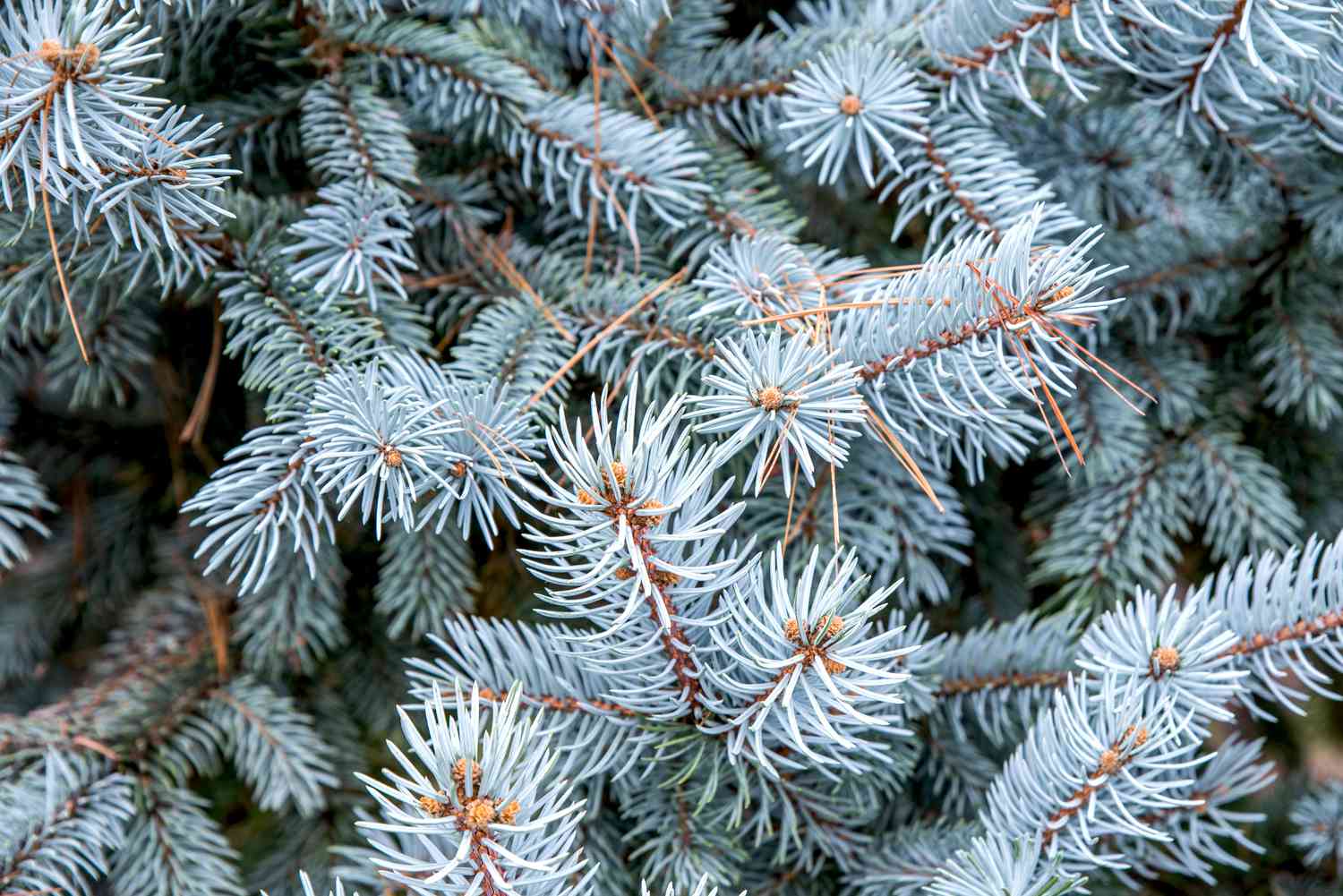
Umpqua National Forest, Oregon
Douglas Fir
The Douglas Fir from Umpqua National Forest, Oregon, can grow approximately 200-300 feet tall and features long needles and powerful branches. It is a cornerstone species in Oregon's lush Douglas Fir forests, essential to timber and wildlife.
2003
Boise National Forest, Idaho
Engelmann Spruce
The Engelmann Spruce from Boise National Forest, Idaho, can grow approximately 60-90 feet tall and features curled needles and fine branches. It forms part of high-elevation watersheds that supply the Treasure Valley.
2004
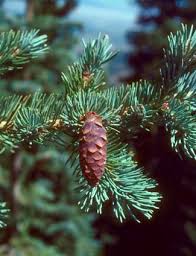
Washington & Jefferson National Forest, Virginia
Red Spruce
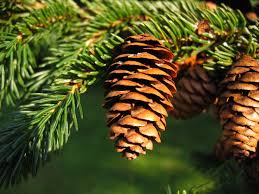
The Red Spruce from Washington & Jefferson National Forest, Virginia, can grow approximately 60-90 feet tall and features short needles and slender branches. It is a keystone species in efforts to restore historical red spruce stands in the Southern Appalachians.
2005
Santa Fe National Forest, New Mexico
Engelmann Spruce
The Engelmann Spruce from Santa Fe National Forest, New Mexico, can grow approximately 60-90 feet tall and features dropping needles and open branching. It supports alpine meadows and snowpack retention critical to the Rio Grande basin.
2006
Olympic National Forest, Washington
Pacific Silver Fir
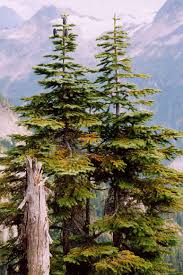
The Pacific silver fir from Olympic National Forest, Washington, can grow approximately 120-200 feet tall and features soft needles and layered branches. It thrives in foggy, coastal mountains and is integral to the Pacific Northwest's rainforest.
2008
Bitterroot National Forest, Montana
Subalpine Fir
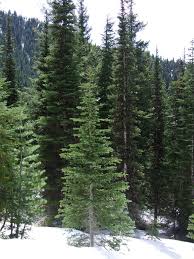
The subalpine fir from Bitterroot National Forest, Montana, can grow approximately 40-70 feet tall and features short needles. It dominates windswept ridges and supports high-elevation wildlife in the Northern Rockies.
2009
Apache-Sitgreaves National Forest, Arizona
Blue Spruce
The Blue Spruce from Apache-Sitgreaves National Forest, Arizona, can grow approximately 40-60 feet tall and features sharp blue needles. It survives in sheltered canyons, providing shade and soil stability in arid mountain zones.
2010
Bridger-Teton National Forest, Wyoming
Engelmann Spruce
The Engelmann Spruce from Bridger-Teton National Forest, Wyoming, can grow approximately 60-90 feet and features dense needles. It helps retain snowpack and forms part of the habitat corridor for elk and moose.
2011
Stanislaus National Forest, California
Sierra White Fir
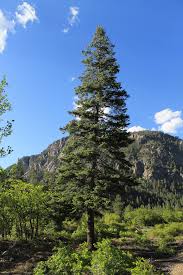
The Sierra white fir from Stanislaus National Forest, California, can grow approximately 40-80 feet tall and features soft, flattened needles with layered branches. It grows in theSierra Nevada mountain range and supports post-fire regeneration in steep terrain.
2012
White River National Forest, Colorado
Engelmann Spruce
The Engelmann Spruce from White River National Forest, Colorado, can grow approximately 60-90 feet and features delicate needles and fine branching. It is critical for supporting ski area ecosystems and cold headwater streams.
2012
Colville National Forest, Washington
Engelmann Spruce
The Engelmann Spruce from Colville National Forest, Washington, can grow approximately 60-90 feet and features dropping needles and robust layering. It thrives in the Selkirk Mountains and contributes to old-growth habitat conservation.
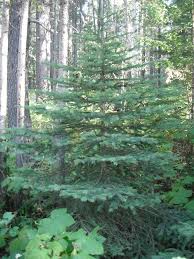
2015
Chugach National Forest, Alaska
Lutz Spruce
The Lutz Spruce from Chugach National Forest, Alaska, can grow approximately 60-80 feet and features hybrid needles and robust branching. It is a rare hybrid that stabilizes glacial valleys and coastal mountains in southcentral Alaska.
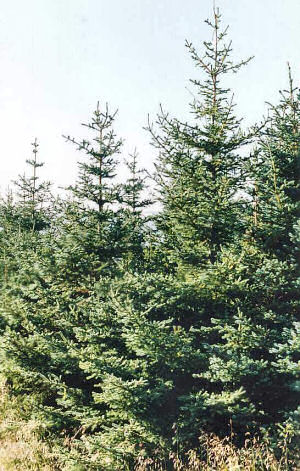
2016
Payette National Forest, Idaho
Engelmann Spruce
The Engelmann Spruce from Payette National Forest, Idaho, can grow approximately 60-90 feet and features fine needles and open branching. It grows at the edge of alpine meadows, helping support native pollinators and big game.
2018
Willamette National Forest, Oregon
Noble Fir
The noble fir from Willamette National Forest, Oregon, can grow approximately 150-200 feet and features dense upward-pointing needles. It towers in the Cascade Range and is prized for its role in forest structure and holiday traditions.
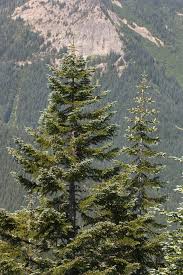
2020
Grand Mesa, Uncompahgre, and Gunnison National Forests, Colorado
Engelmann Spruce
The Engelmann Spruce from Grand Mesa, Uncompahgre, and Gunnison National Forests, Colorado, can grow approximately 60-90 feet tall and features fine needles. It is vital to the stability of the high-elevation plateau ecosystems.
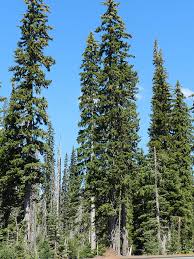
2021
Six Rivers National Forest, California
White Fir
The White Fir from Six Rivers National Forest, California, can grow approximately 40-80 feet tall and features flattened needles and tiered branches. It adds to the forest's vertical complexity and helps resist wildfires in Northern California's coast range.
2024
Tongass National Forest, Alaska
Sitka Spruce
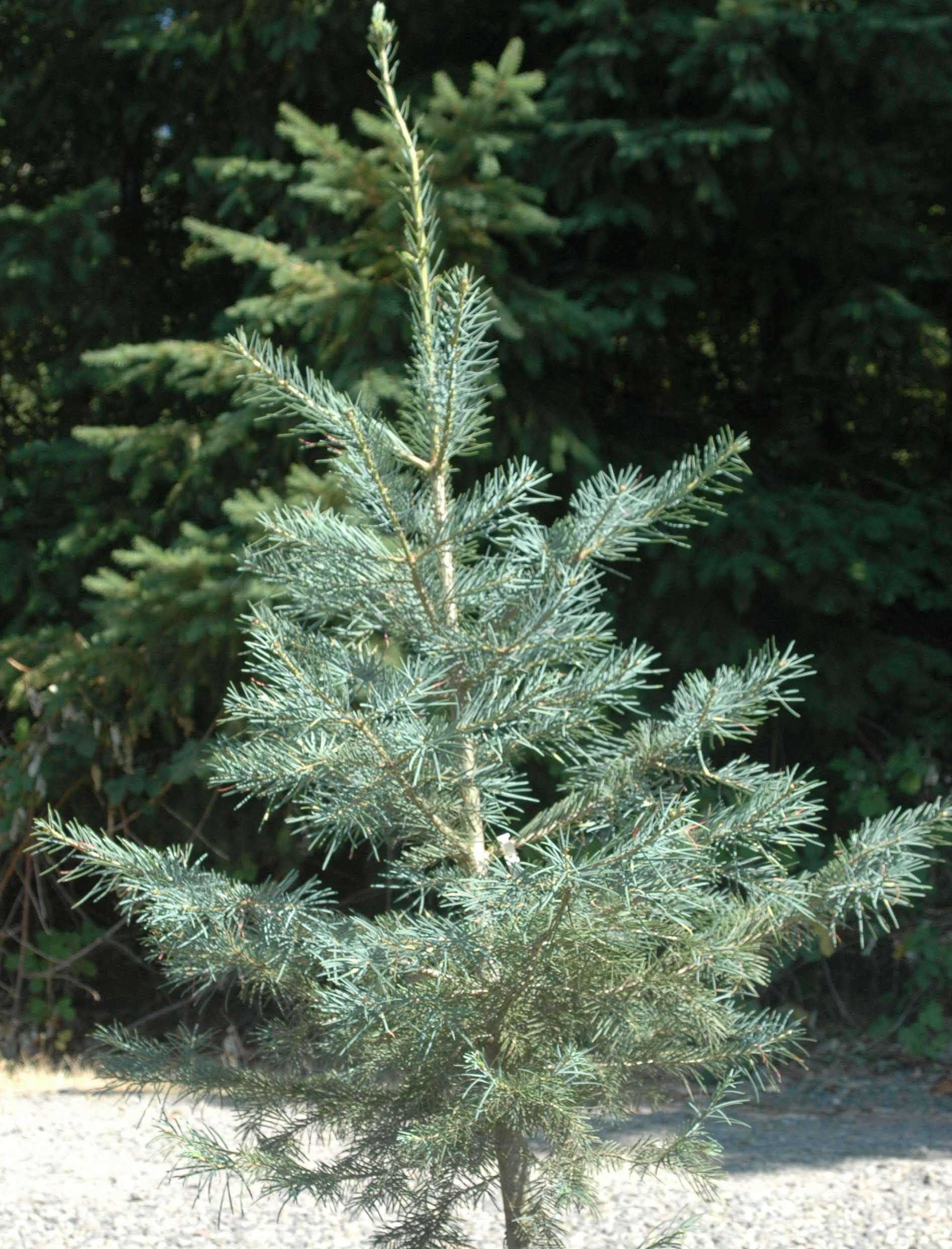
The Sitka Spruce from Tongass National Forest, Alaska, can grow to more than 200-feet tall and is the largest of the world’s spruces. It features stiff, sharp needles with long, pendulous branches. It is highly favored as a popular tonewood for the manufacturing of musical instruments, like guitars, and is valuable for lumber, pulp, and many other special uses across Alaska and the greater Pacific Northwest.
2025
Humboldt-Toiyabe National Forest, Nevada
Red Fir
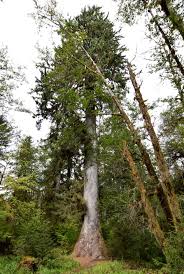
The Nevada red fir from Humboldt-Toiyabe National Forest can grow 80–150 feet tall with dense, upward-reaching branches and short, flat needles. Found throughout the higher elevations of the Sierra Nevada, this fir thrives in cool, moist mountain environments and plays a vital role in stabilizing slopes and providing wildlife habitat.
2026
Nez Perce-Clearwater National Forests, Idaho
Engelmann Spruce
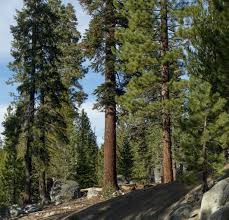
The Engelmann Spruce from Nez Perce-Clearwater National Forests, Idaho, can grow approximately 60-90 feet and features fine needles and open branching. It's a native conifer thriving in high elevations and moist conditions across the forest's 4 million acres. .